Most HVAC systems are built to provide years of reliable comfort, but no equipment lasts forever. As systems age, they become less efficient, require more repairs, and may struggle to keep your home comfortable during extreme temperatures.
Knowing when it’s time to consider an upgrade can help you avoid unexpected breakdowns and rising energy costs.
At a Glance
- Frequent repairs can signal aging equipment.
- Higher energy bills may indicate declining efficiency.
- Uneven temperatures suggest performance issues.
- Older systems often struggle during peak seasons.
- Newer units provide improved comfort and efficiency.
Frequent Repairs Are Adding Up
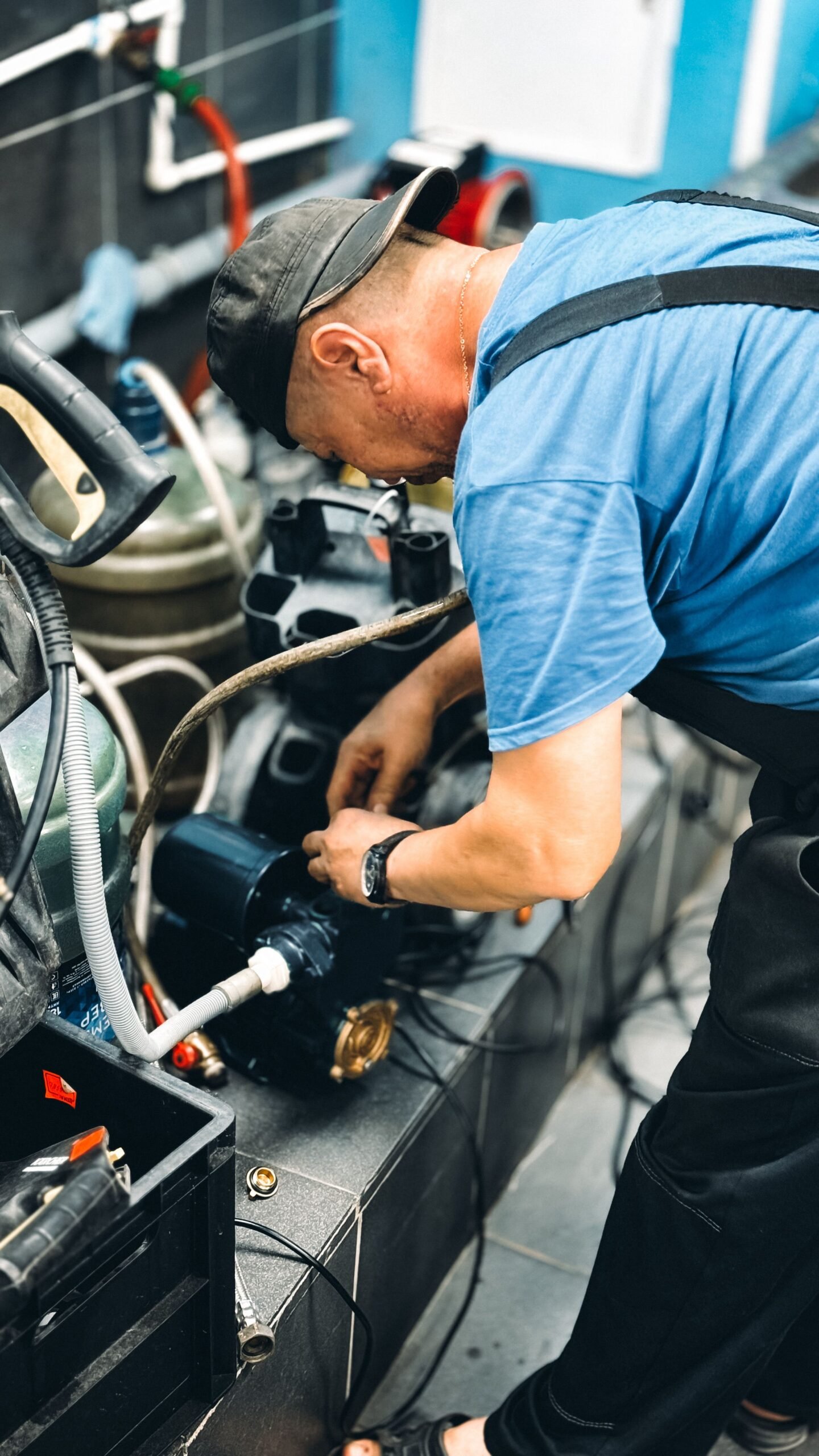
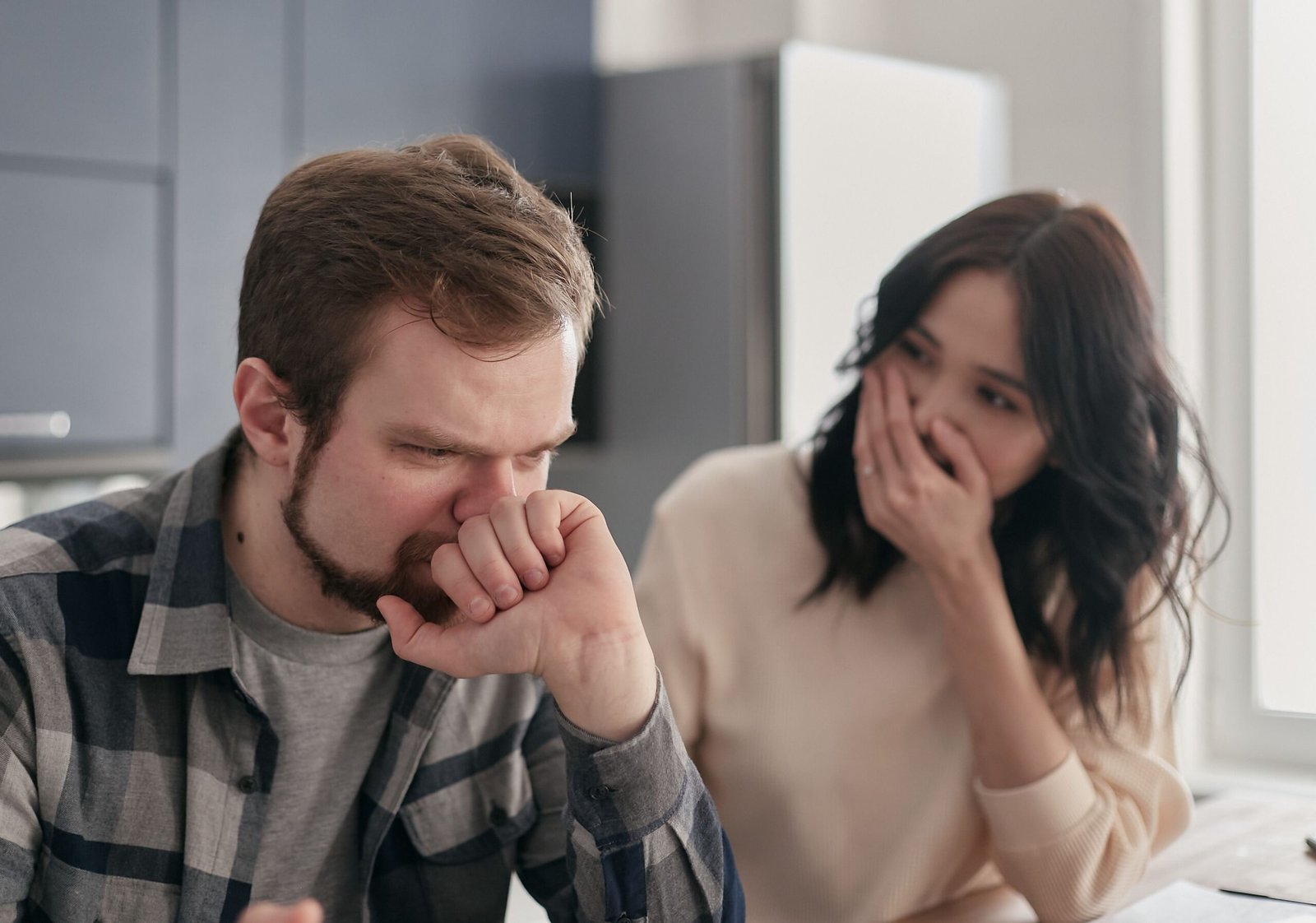
Every HVAC system needs occasional maintenance, but constant repair calls are a different story. If you’re repeatedly paying for fixes throughout the year, the cost can quickly add up.
In many cases, investing in a newer system becomes more cost-effective than continuing to repair an aging unit.
Your Energy Bills Keep Increasing
Older HVAC systems typically consume more energy than modern equipment. As components wear down, the system has to work harder to achieve the same results.
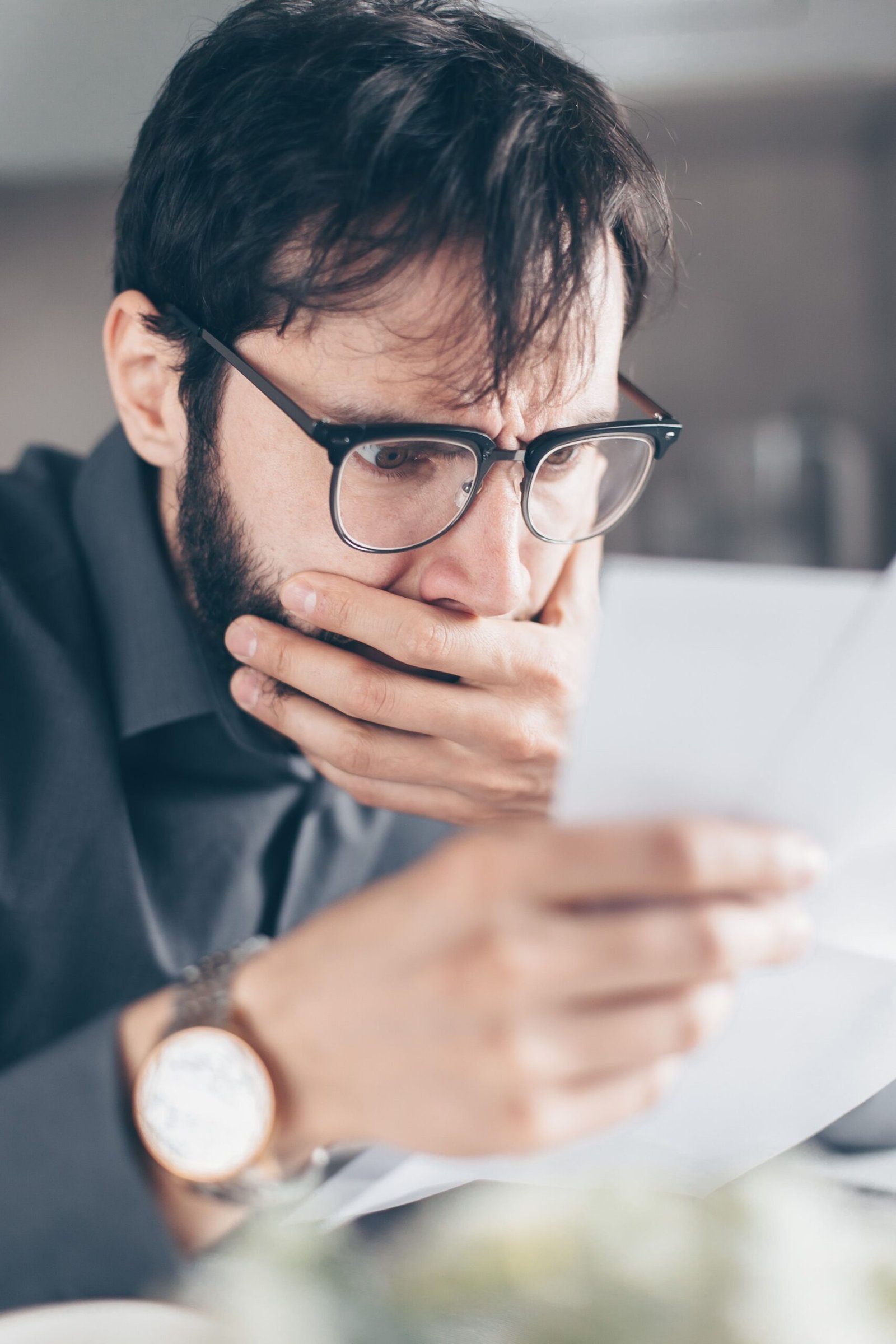
If your utility bills continue to rise despite normal usage habits, your equipment may be losing efficiency.
Uneven Temperatures Throughout the Home
Do some rooms feel comfortable while others remain too hot or too cold? Uneven cooling or heating can indicate that your system is struggling to distribute air effectively.
Common causes include:
- Aging equipment
- Reduced airflow
- Outdated system design
- Worn internal components
Your System Is More Than 10–15 Years Old
While many HVAC systems can last longer with proper maintenance, older units generally operate less efficiently than newer models.
Modern systems often offer:
- Better energy efficiency
- Improved temperature control
- Quieter operation
- Enhanced indoor comfort
Strange Noises and Reduced Performance
Unusual sounds such as rattling, grinding, or buzzing should never be ignored. These noises can indicate worn components or internal mechanical issues.
When performance begins declining alongside frequent noises, it may be time to discuss replacement options.
Final Thoughts
An HVAC upgrade is a significant investment, but waiting too long can lead to higher repair costs, reduced comfort, and increased energy bills.
If your system is aging, inefficient, or requiring frequent repairs, a professional evaluation can help determine whether upgrading is the right long-term solution for your home.